Author
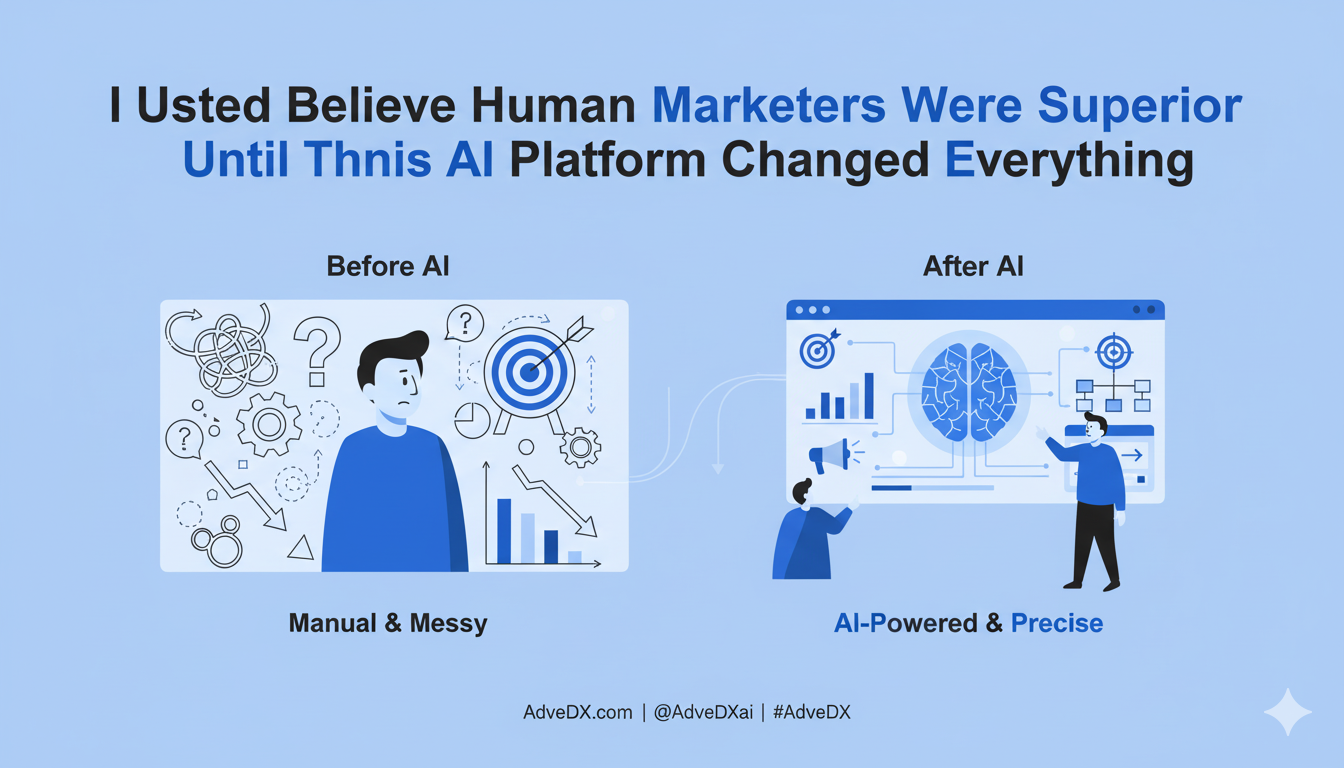
The breaking point came during a campaign review meeting that should have been routine but instead became a wake-up call that changed everything. Staring at a dashboard filled with vanity metrics that told me nothing about real business impact, wrestling with interfaces designed in what felt like the stone age of digital marketing, and explaining to stakeholders why our supposedly “optimized” campaigns were burning through budget without delivering meaningful results – that moment crystallized years of mounting frustration into a single, undeniable truth.
Traditional marketing platforms weren’t just failing me; they were actively holding back the potential for genuine marketing success. The promise of sophisticated targeting and campaign optimization had devolved into a maze of manual adjustments, unclear performance indicators, and the constant nagging sensation that there had to be a better way to approach digital marketing in an era where AI-powered marketing platforms were revolutionizing how successful businesses connect with their audiences.
The Slow Death by a Thousand Cuts
Traditional marketing platforms present themselves as comprehensive solutions, but the daily reality tells a different story. Each morning brought the same ritual of logging into multiple dashboards, trying to piece together a coherent picture of campaign performance from fragmented data sources that seemed designed to obscure rather than illuminate the path to marketing success.
The fundamental problem with legacy traditional marketing platforms lies in their architecture – built for a world where manual campaign management was the norm rather than the exception. These systems demand constant human intervention for optimization decisions that modern technology should handle automatically. Picture this scenario: you’re managing campaigns across multiple channels, each requiring separate logins, different interfaces, and manual bid adjustments based on yesterday’s data while your competitors are leveraging real-time optimization that responds to market conditions as they happen.
The psychological toll of working within these limitations extends beyond mere inconvenience. There’s a deeper frustration that comes from knowing your marketing efforts could be performing significantly better if only the tools matched the ambition. Every campaign launch becomes an exercise in compromise – settling for “good enough” targeting because the platform’s capabilities can’t match your strategic vision, accepting delayed reporting because real-time insights aren’t part of the legacy infrastructure.
Marketing automation promises made by traditional platforms often translate to basic rule-based actions that feel more like elaborate spreadsheet formulas than intelligent systems. The gap between expectation and reality creates a constant state of marketing mediocrity, where success is measured not by what’s possible but by what the platform limitations will allow.
The Interface Nightmare That Never Ends
User experience design in traditional marketing platforms often seems like an afterthought, with interfaces that prioritize feature cramming over intuitive workflow. Navigating these systems becomes a daily exercise in frustration, where simple tasks require multiple clicks through nested menus, and finding critical campaign data feels like solving a puzzle rather than accessing essential business information.
The learning curve for team members joining these platforms creates additional operational friction. Training new marketers becomes a lengthy process of teaching workarounds rather than best practices, explaining why certain features don’t work as expected, and providing lengthy documentation for tasks that should be self-explanatory. This complexity tax affects not just individual productivity but entire marketing team efficiency.
The Transparency Problem That Erodes Trust
Perhaps the most damaging aspect of traditional marketing platforms is their approach to performance transparency. Black box algorithms make optimization decisions without providing clear explanations for why budgets shift between campaigns or why certain audiences receive priority. This opacity makes strategic planning nearly impossible when you can’t understand the reasoning behind automated decisions.
Campaign optimization in these legacy systems often feels like placing bets rather than making informed strategic decisions. The platform might increase spending on one ad set while decreasing another, but the rationale remains hidden behind proprietary algorithms that offer no insight into their decision-making process. This lack of transparency creates a fundamental disconnect between marketing strategy and execution.
The reporting structures compound this transparency issue by providing data without context or actionable insights. Raw metrics flood dashboards without connecting to business outcomes or providing clear guidance for improvement. Marketers find themselves drowning in data while starving for wisdom – a paradox that traditional platforms seem incapable of resolving.
Trust becomes the casualty when marketing platforms operate as mysterious entities rather than transparent partners. How can you confidently present campaign results to leadership when you can’t explain the platform’s optimization logic or predict future performance based on historical patterns