Author
What if the difference between marketing success and failure came down to a single strategic pivot that most businesses never consider? The marketing landscape has undergone a seismic transformation, yet countless companies remain trapped in outdated approaches that drain budgets and deliver diminishing returns. The breakthrough moment often arrives not through revolutionary complexity, but through embracing one fundamental shift that changes everything about how campaigns perform, how data flows, and how results compound over time.
This transformation isn’t about adopting the latest marketing fad or implementing another software solution. It represents a complete reimagining of how modern performance marketing operates in an AI-driven world. The companies experiencing exponential growth have discovered something profound: the gap between traditional reactive strategies and predictive, intelligent campaign management creates opportunities that were simply impossible just a few years ago.
The Invisible Problem Crushing Marketing Performance
Picture the modern marketing manager’s daily reality. Campaign dashboards display metrics that look encouraging on the surface, yet something feels fundamentally wrong. Click-through rates appear healthy, impressions climb steadily, and engagement metrics suggest audience interest. However, the ultimate measurement that matters most—actual business growth and profitable customer acquisition—remains frustratingly elusive.
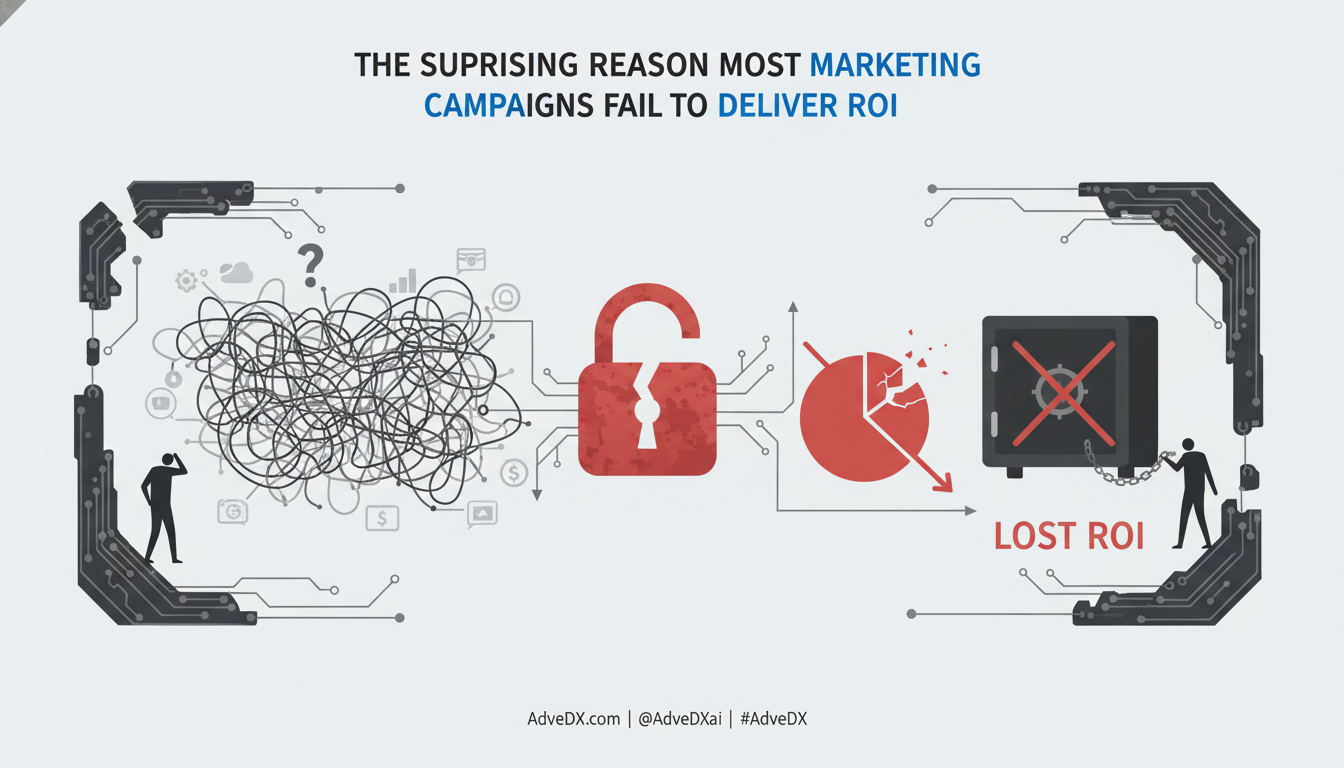
This disconnect reveals the core issue plaguing traditional marketing approaches: the enormous gap between surface-level metrics and genuine business impact. Traditional advertising platforms operate like black boxes, providing limited visibility into what actually drives conversions versus what simply generates vanity metrics. Marketing teams find themselves optimizing for the wrong outcomes because they lack access to the granular, real-time insights necessary for intelligent decision-making.
The reactive nature of conventional marketing compounds this problem exponentially. By the time performance data reveals campaign inefficiencies, significant budget allocation has already been wasted on underperforming segments, audiences, and creative approaches. This delay between action and insight creates a perpetual cycle where marketing teams constantly chase yesterday’s data while missing today’s opportunities.
Consider how this manifests in practical terms. Traditional campaigns require manual monitoring, interpretation, and adjustment cycles that often span days or weeks. During this lag time, market conditions shift, audience behaviors evolve, and competitive landscapes change. The optimization efforts that finally get implemented address problems that may no longer exist or miss emerging opportunities entirely.
The Evolution Beyond Reactive Marketing
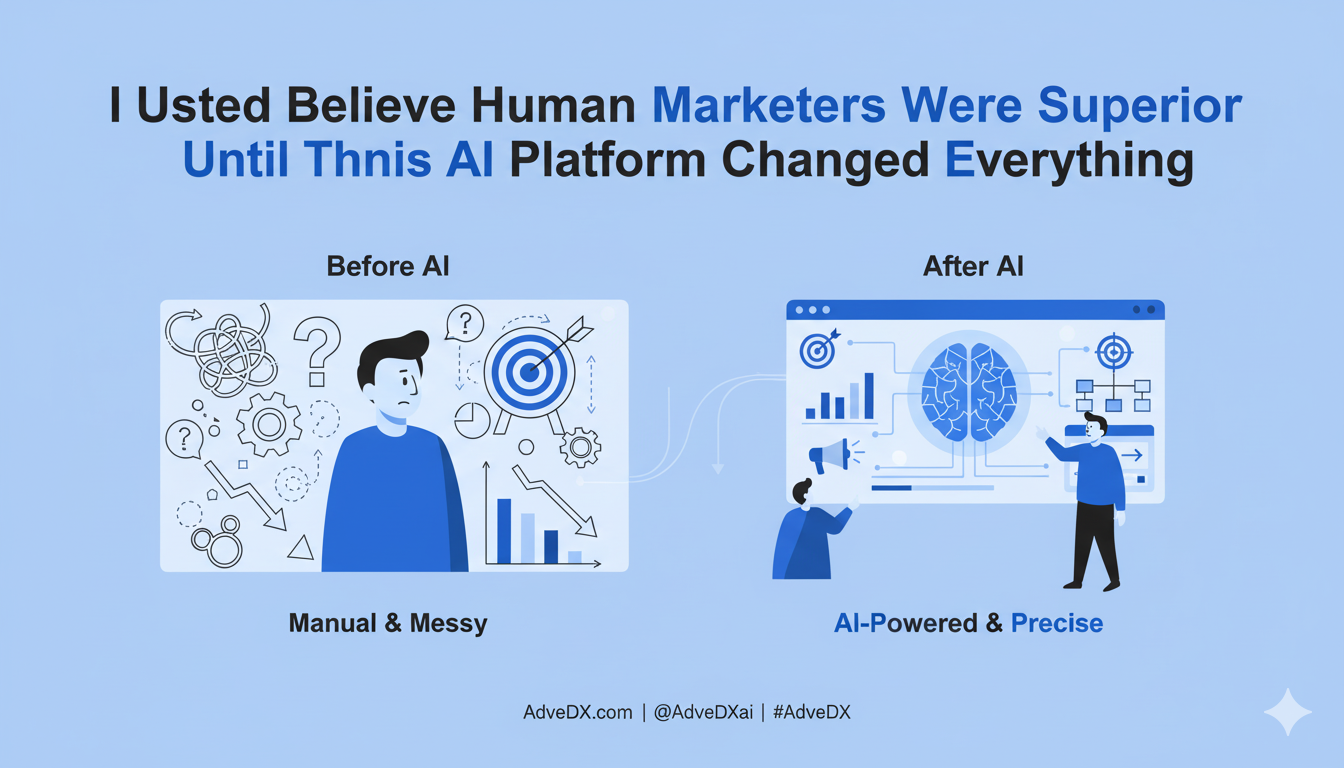
The simple shift that transforms marketing performance centers on moving from reactive response to predictive intelligence. This transition fundamentally changes how campaigns operate, how data gets interpreted, and how optimization decisions get made in real-time rather than after the fact.
AI-powered performance marketing represents this evolutionary leap, but not in the way most people imagine. The transformation isn’t about robots taking over marketing creativity or algorithms replacing human strategy. Instead, it’s about augmenting human intelligence with predictive capabilities that anticipate market changes, identify optimization opportunities instantly, and implement adjustments at machine speed while maintaining strategic oversight.
This approach transforms the entire marketing workflow. Instead of waiting for weekly or monthly performance reviews to guide strategy adjustments, intelligent systems continuously analyze campaign performance across multiple dimensions simultaneously. They identify patterns in audience behavior that human analysis might miss, detect early signals of campaign fatigue before performance degrades, and automatically reallocate budget toward the highest-performing combinations of audience segments, creative elements, and timing factors.
The predictive element becomes particularly powerful when applied to customer journey optimization. Rather than treating each touchpoint as an isolated interaction, AI-powered systems understand the interconnected nature of modern customer experiences. They recognize which combination of touchpoints creates the highest probability of conversion for specific customer segments and optimize the entire journey rather than individual campaign elements in isolation.
Transparency Transforms Decision Making
The transparency gap represents one of the most significant obstacles in traditional marketing performance. Standard advertising platforms provide limited visibility into their optimization algorithms, audience targeting methodologies, and bid adjustment factors. Marketers receive aggregated performance data but lack insight into the underlying mechanisms driving those results.
This opacity creates multiple layers of inefficiency. Marketing teams cannot replicate successful campaigns with confidence because they don’t understand which specific factors contributed to positive outcomes. They struggle to scale performance because the optimization process remains hidden within platform algorithms that may prioritize platform revenue over advertiser success.
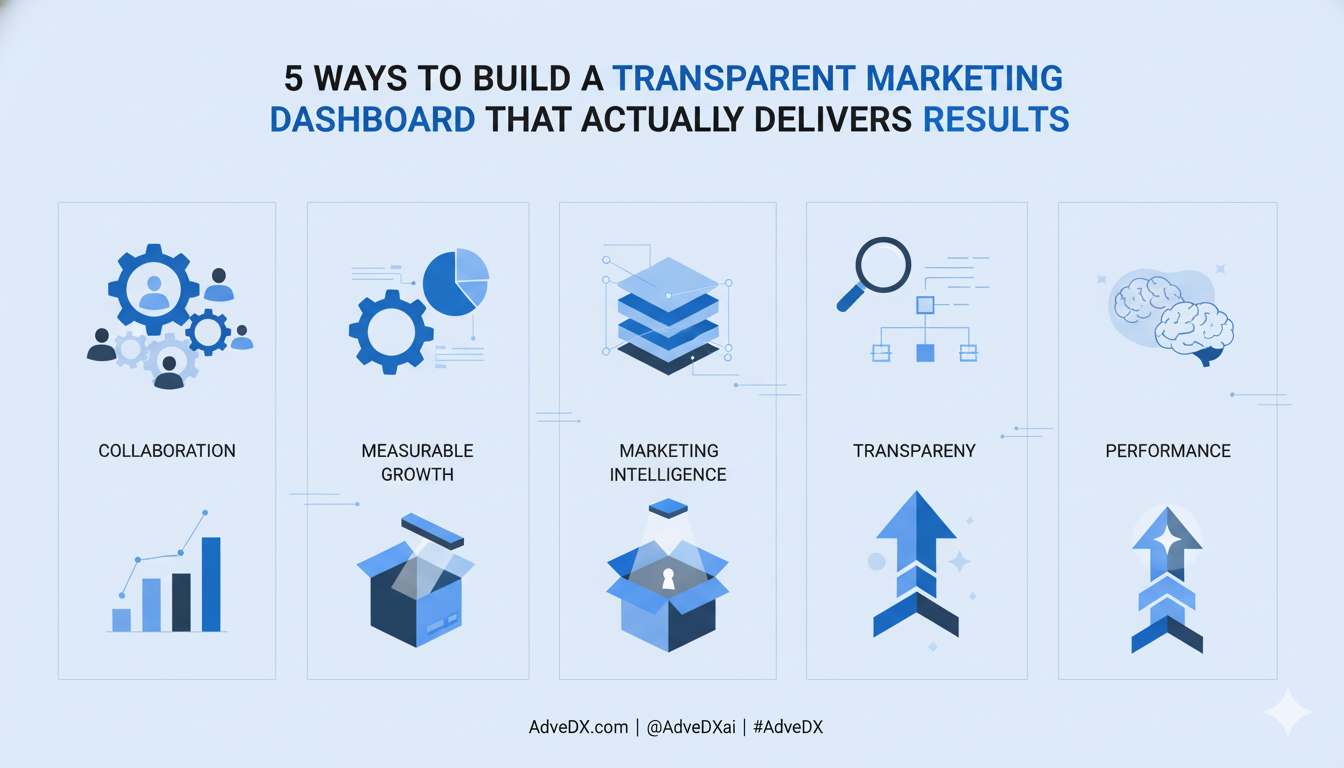
Transparent marketing analytics eliminate these blind spots entirely. When marketers can observe exactly how optimization decisions get made, which audience segments respond to specific messaging approaches, and how budget allocation affects performance across different campaign objectives, they gain the insights necessary for strategic improvement rather than random experimentation.
This visibility enables compound learning effects. Each campaign generates insights that inform future strategy development. Marketing teams build institutional knowledge about what drives results in their specific market rather than relying on generic best practices that may not apply to their unique circumstances.
Real-Time Optimization Changes Everything
The concept of real-time campaign optimization might sound incremental, but its impact on marketing performance proves revolutionary. Traditional optimization cycles create substantial inefficiencies that compound over time, while intelligent real-time adjustments eliminate waste before it occurs.
Imagine the difference between steering a ship by adjusting course every few hours versus making continuous micro-adjustments that maintain optimal heading throughout the journey. Traditional marketing resembles the first approach—periodic corrections based on delayed feedback that often overcompensate for problems that have already resolved or changed character entirely.
Real-time optimization operates like advanced navigation systems that constantly monitor conditions and make subtle adjustments that keep campaigns performing at peak efficiency. This approach prevents the performance volatility that characterizes traditional campaign management, where results swing dramatically between optimization cycles.
The cumulative impact of real-time optimization extends far beyond simple performance improvements. It enables marketing teams to pursue more aggressive growth strategies because campaign performance becomes predictable and controllable. When marketers can trust that optimization systems will maintain efficiency regardless of scale or market changes, they can focus strategic energy on expansion opportunities rather than constant firefighting.
The Compound Effect of Intelligent Automation
Marketing automation has evolved far beyond scheduled email sequences and basic workflow triggers. Modern AI-powered marketing automation creates compound performance improvements by learning from every interaction, every conversion, and every campaign adjustment to enhance future decision-making.
This learning process operates across multiple dimensions simultaneously. While traditional automation follows predetermined rules, intelligent systems develop sophisticated understanding of audience behavior patterns, creative performance factors, timing optimization opportunities, and cross-channel synergies that amplify overall campaign effectiveness.
The compound effect becomes most apparent over extended periods. Each month of operation generates insights that improve subsequent campaign performance. Marketing teams discover that their cost per acquisition decreases while conversion rates improve, creating a virtuous cycle where growth becomes increasingly efficient rather than more expensive.
Consider how this transforms budget allocation strategy. Instead of distributing marketing spend based on historical performance or industry benchmarks, intelligent systems identify the specific combination of channels, audiences, and messaging that delivers optimal results for each business objective. This precision eliminates the waste inherent in broad-spectrum marketing approaches while maximizing impact from every dollar invested.
The Strategic Framework for Marketing Transformation
The transition from traditional to AI-powered performance marketing requires more than technological implementation—it demands a strategic framework that reimagines how marketing objectives align with business growth goals. This transformation touches every aspect of marketing operations, from campaign planning and creative development to performance measurement and optimization strategy.
The framework begins with objective clarity. Rather than optimizing for vanity metrics that feel impressive but don’t correlate with business growth, AI-powered approaches focus exclusively on outcomes that matter: customer acquisition cost, lifetime value optimization, revenue attribution, and sustainable growth metrics that compound over time.
This clarity enables precision in execution that traditional approaches cannot achieve. When marketing systems understand exactly which outcomes matter most, they can optimize every decision toward those objectives rather than getting distracted by secondary metrics that may actually work against primary goals.
The strategic framework also emphasizes integration across marketing channels rather than treating each platform as an isolated campaign environment. Modern customers interact with brands across multiple touchpoints, and their conversion journey rarely follows linear paths. AI-powered systems recognize these complex interaction patterns and optimize for overall journey effectiveness rather than individual channel performance.
Beyond Platform Dependencies
One of the most liberating aspects of this marketing transformation involves reducing dependence on individual advertising platform algorithms that may not align with business objectives. Traditional marketing success often depends on mastering platform-specific optimization techniques that can become obsolete when algorithms change or new competitive pressures emerge.
AI-powered marketing platforms create independence from these constraints by developing optimization intelligence that operates across multiple channels simultaneously. This approach enables marketers to leverage the reach and targeting capabilities of major advertising platforms while maintaining strategic control over optimization priorities and performance objectives.
The result is marketing performance that remains consistent regardless of external platform changes. When Facebook adjusts its algorithm, Google modifies its bidding systems, or new advertising channels emerge, businesses using intelligent optimization systems adapt automatically rather than experiencing the performance volatility that affects platform-dependent strategies.
The Path Forward: Embracing Performance Marketing Transformation
The simple shift toward AI-powered performance marketing represents more than a tactical upgrade—it’s a fundamental reimagining of how modern businesses approach growth and customer acquisition. Companies that embrace this transformation position themselves to thrive in an increasingly competitive marketplace where marketing efficiency determines survival and growth acceleration.
This transformation begins with recognizing that current marketing challenges aren’t problems to be solved through harder work or bigger budgets. They’re symptoms of operating with outdated tools and methodologies in a marketplace that demands intelligence, speed, and precision. The solution involves adopting systems that match the complexity and pace of modern consumer behavior.
The journey toward transformation doesn’t require abandoning existing marketing strategies overnight. Instead, it involves gradually implementing intelligent systems that augment human strategic thinking with predictive capabilities and real-time optimization intelligence. This hybrid approach allows marketing teams to maintain what works while eliminating what wastes resources and limits growth potential.
As businesses begin experiencing the compound benefits of transparent, AI-powered marketing optimization, they discover opportunities for aggressive growth that seemed impossible under traditional approaches. Marketing transforms from a cost center requiring constant optimization into a predictable growth engine that scales efficiently with business objectives.
The Competitive Advantage of Early Adoption
The businesses implementing AI-powered performance marketing today are establishing competitive advantages that will compound over time. While competitors struggle with reactive optimization cycles, transparency limitations, and platform dependencies, early adopters are building institutional knowledge and systematic advantages that become increasingly difficult to replicate.
This advantage extends beyond immediate performance improvements. Companies using intelligent marketing systems develop deeper understanding of their customers, more efficient growth processes, and strategic capabilities that enable them to pursue opportunities that remain invisible to businesses operating with traditional approaches.
The question isn’t whether AI-powered marketing will become standard practice—it’s whether your business will be among the early adopters who establish market leadership or among the late adopters who struggle to catch up. The simple shift toward predictive, transparent, real-time marketing optimization represents one of the most significant competitive opportunities available in today’s business environment.
Taking the Next Step
The transformation from traditional reactive marketing to AI-powered performance optimization begins with a single decision: the commitment to stop accepting suboptimal results as inevitable and start expecting marketing systems that deliver predictable, scalable growth. This shift in expectations opens possibilities that seemed unrealistic under conventional approaches.
Every day that passes with traditional marketing approaches represents missed opportunities for growth, wasted budget allocation, and competitive ground lost to businesses that have already made this transition. The simple shift toward intelligent marketing systems isn’t just about improving current performance—it’s about unlocking growth potential that remains invisible to conventional analysis.
The most successful businesses don’t wait for perfect conditions to make strategic improvements. They recognize transformational opportunities and act decisively while competitors hesitate. The marketing landscape will continue evolving toward greater intelligence, transparency, and automation. The question is whether your business will drive this transformation or be transformed by it.
What would your marketing performance look like if every optimization decision was made in real-time, based on complete data transparency, and guided by predictive intelligence that anticipates market changes before they affect your results? The answer to that question might represent the difference between incremental growth and exponential market leadership.
The simple shift that transforms marketing performance forever is available now. The only remaining question is whether you’re ready to embrace it.