Author
Picture this scenario: you’ve just launched what you believed would be your most successful marketing campaign yet. The creative was compelling, the targeting seemed precise, and your budget allocation felt strategic. Three weeks later, you’re staring at performance reports that tell a frustrating story of missed opportunities and disappointing returns.
If this experience resonates with you, you’re not alone in this challenge. The disconnect between marketing campaign expectations and actual results has become an epidemic across industries, leaving even seasoned marketers questioning their strategies and wondering where their efforts went wrong.
The truth behind most failed marketing campaigns isn’t what you might expect. It’s not about having the wrong message, targeting the wrong audience, or even lacking sufficient budget. The surprising culprit lies in something far more fundamental yet often overlooked: the absence of real-time visibility and dynamic optimization capabilities.
The Silent Killer of Marketing ROI
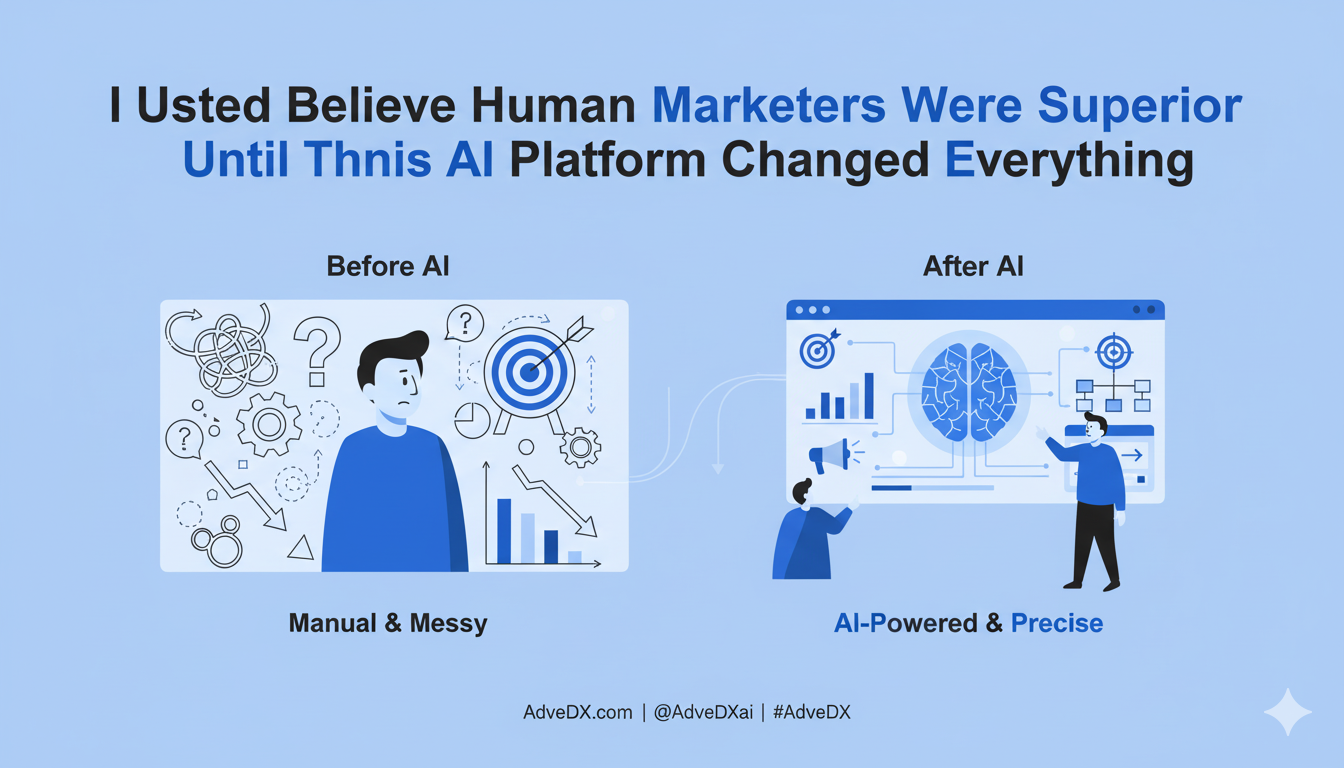
Traditional marketing approaches operate on a dangerous assumption that once a campaign launches, it should run its predetermined course while marketers wait for enough data to accumulate before making significant adjustments. This “set-and-forget” mentality creates a blind spot that can devastate campaign performance before anyone realizes what’s happening.
Consider how most marketing teams currently operate. They spend weeks developing campaign strategies, carefully crafting messaging, and setting up targeting parameters based on historical data and educated assumptions. Once the campaign goes live, they enter a waiting period where they monitor basic metrics but lack the granular, real-time insights needed to make immediate optimizations.
During this waiting period, several critical things happen:
Budget continues flowing toward underperforming segments while high-potential opportunities remain under-funded. Creative elements that could be resonating strongly with specific audience subsets get diluted across broader, less receptive groups. Geographic or demographic patterns that could inform strategic pivots remain hidden in aggregated reporting that only updates once or twice daily.
This disconnect between campaign activity and actionable intelligence creates what marketing professionals often describe as “flying blind” – making decisions based on incomplete pictures of what’s actually driving results.
The Evolution Beyond Traditional Campaign Management
The marketing landscape has fundamentally shifted, yet many organizations continue operating with frameworks designed for simpler times. Today’s consumers interact with brands across multiple touchpoints, often within compressed timeframes that demand immediate responsiveness from marketing systems.
This evolution requires a corresponding shift in how marketers approach campaign optimization. The old model of weekly performance reviews and monthly strategy adjustments simply cannot compete in an environment where consumer behavior patterns can shift within hours, not weeks.
Modern performance marketing demands three critical capabilities:
Real-time performance visibility that extends beyond surface-level metrics to reveal the underlying drivers of campaign success or failure. Dynamic optimization algorithms that can identify patterns and make adjustments faster than human analysis allows. Transparent reporting systems that eliminate data silos and provide comprehensive views of campaign performance across all relevant dimensions.
Organizations that have embraced these capabilities report dramatically different experiences with their marketing investments. Instead of waiting weeks to understand what’s working, they gain immediate insights that enable rapid optimization and budget reallocation.
The Hidden Costs of Data Delays
The impact of delayed performance visibility extends far beyond immediate campaign results. When marketers operate without real-time insights, they often compensate by over-investing in “safe” strategies that may generate consistent but mediocre returns while avoiding potentially high-performing approaches that carry perceived risk.
This conservative approach to campaign management creates opportunity costs that compound over time. Marketing budgets get allocated based on outdated assumptions rather than current performance indicators. Creative resources get directed toward familiar formats instead of emerging opportunities that could drive breakthrough results.
Perhaps most significantly, teams lose the ability to capitalize on trending topics, viral moments, or sudden shifts in consumer interest that could amplify campaign effectiveness. By the time traditional reporting systems reveal these opportunities, the moments have often passed.
The psychological impact on marketing teams cannot be overlooked either. When professionals consistently experience the frustration of discovering optimization opportunities after they’ve expired, it erodes confidence in strategic decision-making and creates a culture of reactive rather than proactive marketing management.
Breaking Free from the Guesswork Cycle
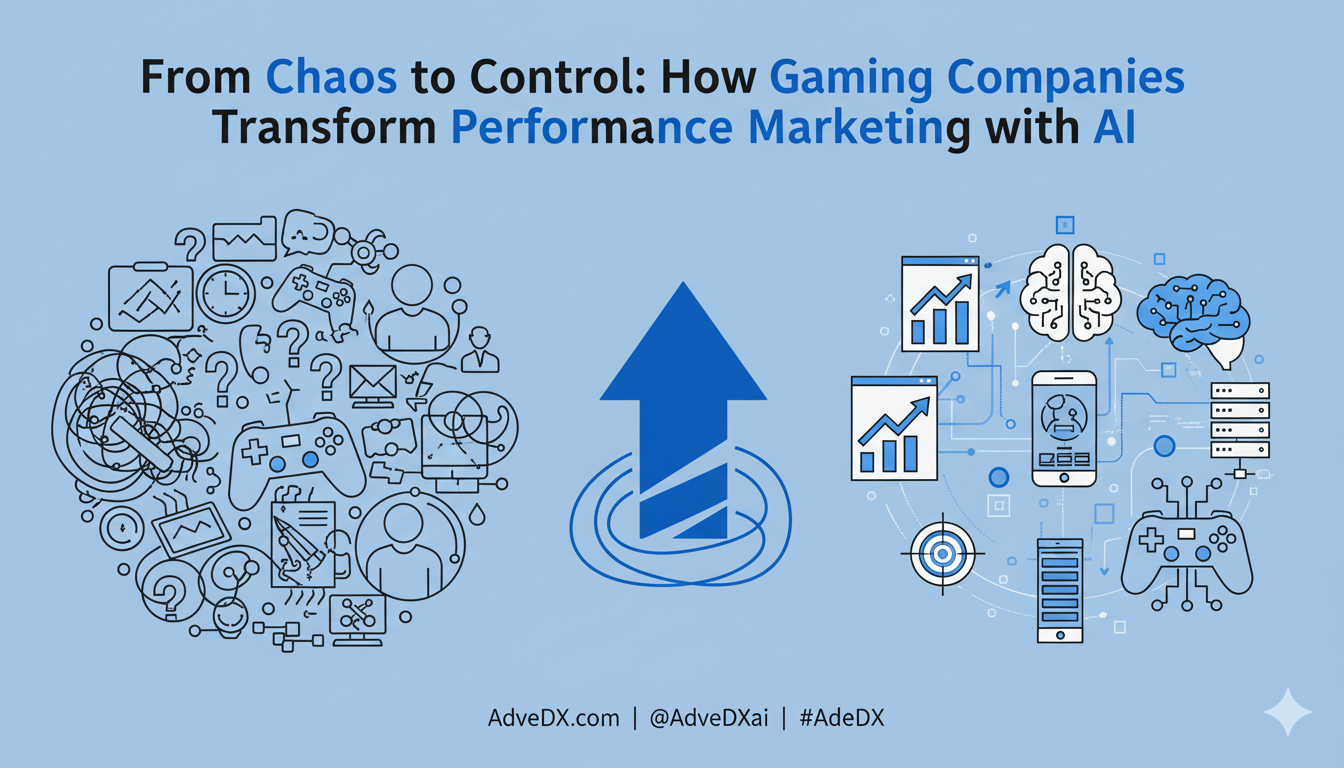
The solution to persistent marketing ROI challenges lies in fundamentally reimagining how campaign performance gets monitored, analyzed, and optimized. This transformation requires moving beyond traditional reporting structures toward intelligent systems that can identify patterns and opportunities in real-time.
Imagine having complete visibility into how every aspect of your marketing campaigns performs across different audience segments, geographic regions, and time periods simultaneously. Picture being able to identify which creative elements drive the strongest engagement with specific demographic groups and automatically allocate more budget toward those high-performing combinations.
This level of marketing transparency eliminates the guesswork that has traditionally plagued campaign management. Instead of making decisions based on hunches or delayed data, marketers gain access to comprehensive, real-time intelligence that enables confident optimization choices.
The transformation involves several key components:
Advanced analytics platforms that can process campaign data in real-time and surface actionable insights immediately. AI-powered optimization engines that continuously test different approaches and automatically shift resources toward the most effective strategies. Unified reporting systems that break down data silos and provide holistic views of campaign performance across all relevant metrics.
The AI-Powered Marketing Revolution
Artificial intelligence has emerged as the catalyst for solving marketing transparency and optimization challenges that have persisted for decades. AI-powered marketing platforms can analyze vast amounts of campaign data, identify subtle patterns that human analysis might miss, and make optimization recommendations or automatic adjustments based on performance indicators.
This technological advancement represents more than just faster reporting or prettier dashboards. It fundamentally changes the relationship between marketers and their campaign data, transforming marketing from a reactive discipline into a predictive one.
AI marketing automation can monitor hundreds of variables simultaneously and detect performance shifts that might take human analysts days or weeks to identify. More importantly, these systems can test different optimization strategies in parallel, learning which approaches work best for specific situations and continuously improving their recommendations over time.
The practical implications are transformative. Marketing teams can shift their focus from manual data analysis and reactive optimization toward strategic planning and creative development. Campaign budgets get allocated with precision based on real-time performance data rather than historical assumptions or gut feelings.
Organizations utilizing AI-powered performance marketing platforms often discover optimization opportunities they never knew existed. They uncover audience segments with exceptional conversion potential, identify geographic regions where their messaging resonates particularly strongly, and find creative combinations that drive significantly higher engagement rates.
Implementing Real-Time Marketing Intelligence
The transition from traditional campaign management to real-time optimization requires both technological adoption and cultural shifts within marketing organizations. Teams must embrace data-driven decision-making while maintaining the creative thinking that drives compelling campaigns.
This transformation typically begins with evaluating current marketing technology stacks and identifying gaps in real-time visibility and optimization capabilities. Many organizations discover that their existing tools provide excellent historical reporting but lack the immediate intelligence needed for dynamic campaign management.
The implementation process involves integrating advanced analytics platforms that can monitor campaign performance across multiple channels simultaneously while providing granular insights into what drives results. This integration must extend beyond surface-level metrics to include deeper behavioral indicators that reveal why certain approaches succeed or fail.
Success requires establishing new operational rhythms that prioritize immediate optimization over traditional planning cycles. Instead of weekly performance reviews followed by gradual adjustments, teams develop capabilities for continuous monitoring and rapid response to performance indicators.
Marketing professionals who make this transition often report feeling more confident about their strategic decisions because they have access to comprehensive, real-time data that eliminates much of the uncertainty traditionally associated with campaign management.
Measuring Success in the New Marketing Paradigm
Real-time marketing optimization fundamentally changes how success gets measured and evaluated. Traditional metrics like monthly ROI calculations or quarterly campaign reviews become supplemented by more immediate indicators that enable continuous improvement.
This shift requires expanding performance measurement beyond final outcomes to include optimization velocity, identification speed for emerging opportunities, and the ability to capitalize on performance insights before they expire. Marketing teams begin tracking how quickly they can identify and respond to campaign performance patterns rather than just measuring end results.
The cultural impact extends throughout marketing organizations as teams develop confidence in making rapid adjustments based on real-time data rather than waiting for extensive analysis periods. This confidence enables more aggressive testing of innovative approaches because underperforming elements can be identified and adjusted quickly.
Organizations that embrace this new measurement paradigm often discover that their overall marketing ROI improves not just through better campaign performance, but through increased testing velocity and faster identification of breakthrough strategies.
The Future of Performance Marketing
The evolution toward AI-powered, real-time marketing optimization represents just the beginning of a larger transformation in how organizations approach performance marketing. As artificial intelligence capabilities continue advancing, marketing platforms will develop even more sophisticated abilities to predict consumer behavior, identify emerging trends, and optimize campaigns proactively rather than reactively.
This future promises marketing environments where campaigns continuously self-optimize based on real-time performance data, where budget allocation happens automatically according to predefined success criteria, and where creative testing occurs at scales and speeds impossible with manual management.
Marketing professionals who position themselves at the forefront of this transformation will find themselves with unprecedented capabilities to drive business results through data-driven campaign optimization. They’ll be able to identify and capitalize on opportunities that their competitors miss due to slower reaction times and less sophisticated optimization capabilities.
The organizations that thrive in this new marketing landscape will be those that embrace transparency, real-time optimization, and AI-powered intelligence as core components of their performance marketing strategies rather than optional enhancements to traditional approaches.
Taking Action on Marketing ROI Challenges
The surprising reason most marketing campaigns fail to deliver expected ROI isn’t mysterious or complex – it’s the persistent reliance on delayed data and reactive optimization approaches that leave campaigns vulnerable to preventable performance issues. The solution lies in embracing real-time visibility, dynamic optimization, and AI-powered intelligence that enables proactive campaign management.
Every day that marketing teams continue operating without these capabilities represents missed opportunities and suboptimal budget allocation. The competitive advantages available to organizations with superior marketing intelligence will only increase as AI-powered optimization becomes more sophisticated and widely adopted.
The question facing marketing leaders isn’t whether to embrace these advanced capabilities, but how quickly they can implement them before their competitors gain insurmountable advantages through superior marketing ROI and optimization speed.
If you’ve experienced the frustration of campaigns that promised more than they delivered, or if you’ve wondered whether your marketing investments could generate better returns with different approaches, the answer likely lies in upgrading your performance marketing infrastructure to include real-time optimization and AI-powered intelligence.
The future of marketing belongs to organizations that can see clearly, optimize quickly, and adapt continuously to changing performance indicators. The tools and platforms to enable this transformation exist today – the only remaining question is when you’ll decide to stop accepting suboptimal marketing ROI and start demanding the transparency and optimization capabilities that modern performance marketing requires.